
Tinder Photo Mistakes That Quietly Kill Your Matches
Table of contents
- Why Tinder photo mistakes are so expensive
- The lead photo mistakes that kill matches immediately
- Lineup mistakes that drag down an otherwise decent profile
- Quality mistakes that read as low effort
- How to find which mistake is hurting you
- FAQ
A single bad photo can quietly cost you more matches than you think. Unlike a weak bio or a missing prompt, a bad Tinder photo does not just fail to help — it actively reduces the swipes you would have gotten on your good photos, because viewers judge the whole lineup against its weakest image. This guide walks through the Tinder photo mistakes that kill matches most often, why each one hurts, and the concrete fix for each.
Why Tinder photo mistakes are so expensive
Tinder shows your first photo full-size in the swipe card. A viewer decides right or left in about a second, and most of those decisions are made before they scroll. That means a single weak photo in the lead position does not just lose one swipe — it sets a ceiling on how many people ever see the rest of your profile.
But the damage is not limited to the lead photo. Tinder viewers also form an overall impression of your profile from the set as a whole. A strong photo next to a weak one makes the weak one stand out more, not less. So a selfie-heavy lineup with one great candid does not read as "one great photo and some fillers" — it reads as a low-effort profile with one lucky shot.
This is why fixing photo mistakes usually delivers more matches than taking new photos. Most people do not need better photos; they need to remove the two photos that are hurting them and reorder the rest. That is a five-minute change with an outsized effect on match rate.
Want AI to find which photo is hurting you? Analyze your photos free and get a per-photo ranking in seconds.
The lead photo mistakes that kill matches immediately
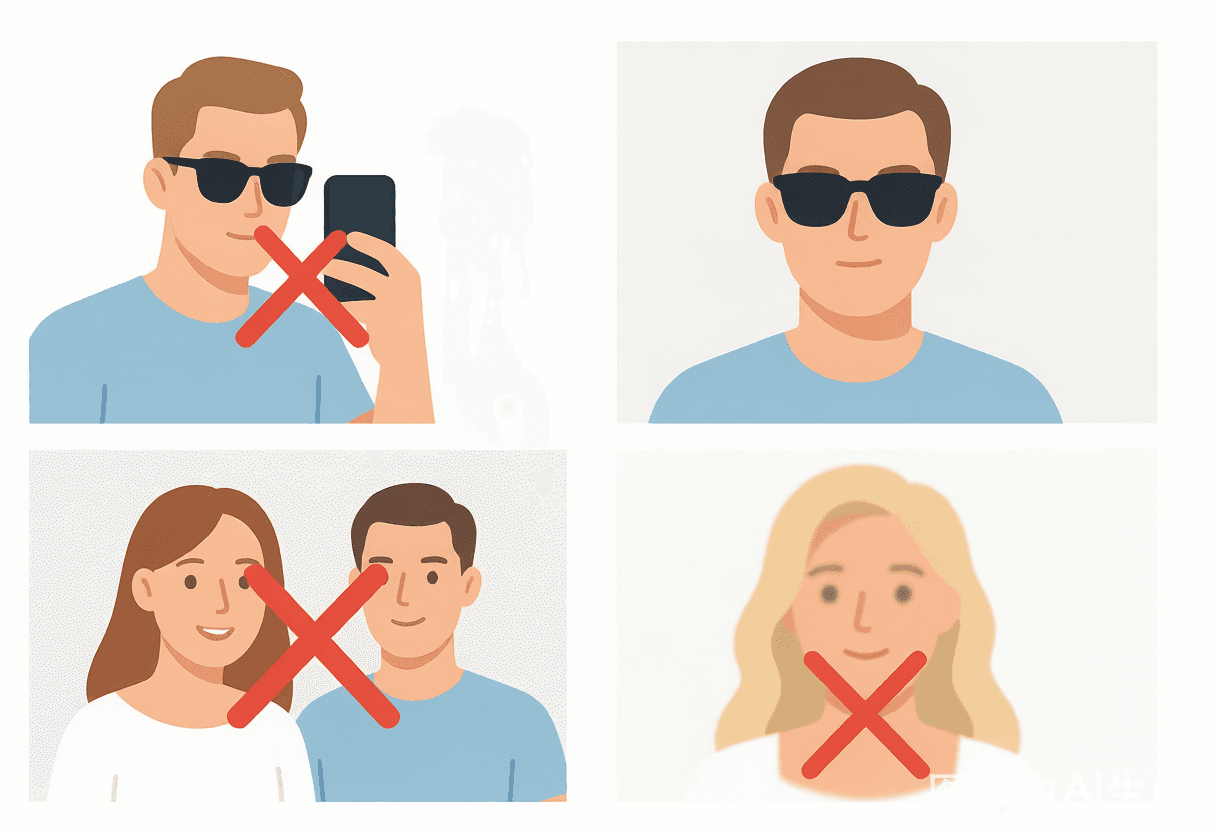
Your lead photo is the most important photo in your entire dating life, because it is the only photo most viewers will ever see. These are the lead photo mistakes that suppress matches the hardest:
- Sunglasses in photo one. Eye contact is a trust signal. Hiding your eyes removes the cue that makes a viewer feel safe swiping right in under a second.
- A group photo as the lead. Forcing a viewer to guess who you are is one of the fastest ways to lose a swipe. Group photos belong in slot four, not slot one.
- A distant or unrecognizable lead. If a viewer cannot tell it is you in the first second, they swipe left. The lead photo must be unambiguous.
- No smile. A neutral or serious first photo reads as unapproachable. A smile signals warmth and earns more right swipes.
- A mirror selfie as the lead. The phone in the shot breaks framing and reads as low-effort and dated.
Every one of these mistakes has the same root cause: the lead photo fails to do the one job it exists to do — show a viewer who you are, clearly and quickly, so they decide to keep looking.
Lineup mistakes that drag down an otherwise decent profile
Even with a good lead photo, the rest of your lineup can quietly reduce matches. These are the most common lineup mistakes:
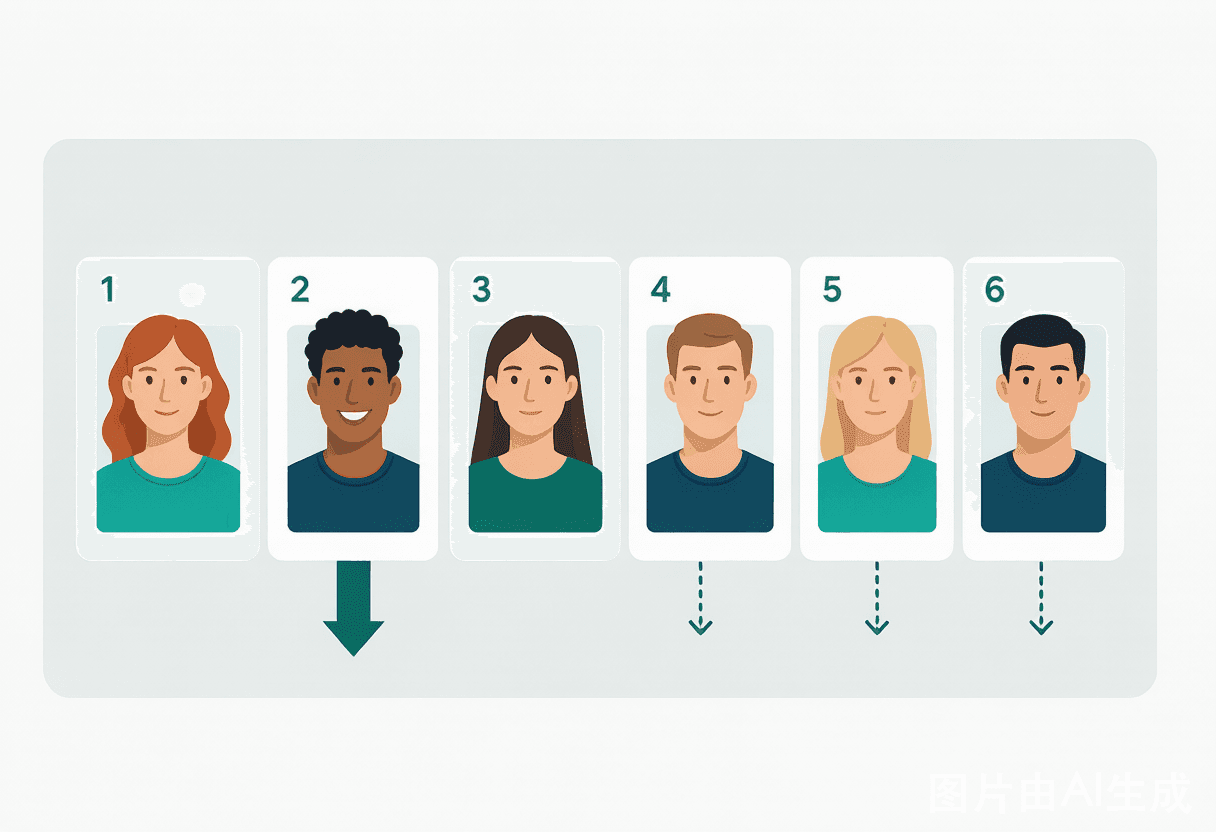
- Too many selfies. A selfie-heavy lineup reads as low social proof and gives viewers little to comment on. Aim for at most one or two selfies in a lineup of five or six.
- Repeating the same angle. Multiple photos from the same angle, same outfit, or same setting read as a thin profile. Each photo should add information the others do not.
- Best photos buried late. Most Tinder viewers do not scroll past photo three or four. A great photo in slot six is effectively invisible — move it up or cut it.
- No full-body photo. A face-only lineup gives viewers no context. One natural full-body shot in a real setting reads as more honest and complete.
- The same lineup on every app. Tinder, Hinge, and Bumble reward different things. Recycling one lineup across all three leaves matches on the table.
The fix for lineup mistakes is almost always subtraction, not addition. Remove the two weakest photos, move a buried good photo up, and add a full-body shot if you do not have one. That alone usually lifts match rate more than any new photo shoot would.
Quality mistakes that read as low effort
Some photos are fine in content but lose matches on quality alone. Tinder shows your lead photo full-size, so quality problems are amplified:
- Blurry or low-resolution photos. Low quality reads as low effort and gets swiped left fast.
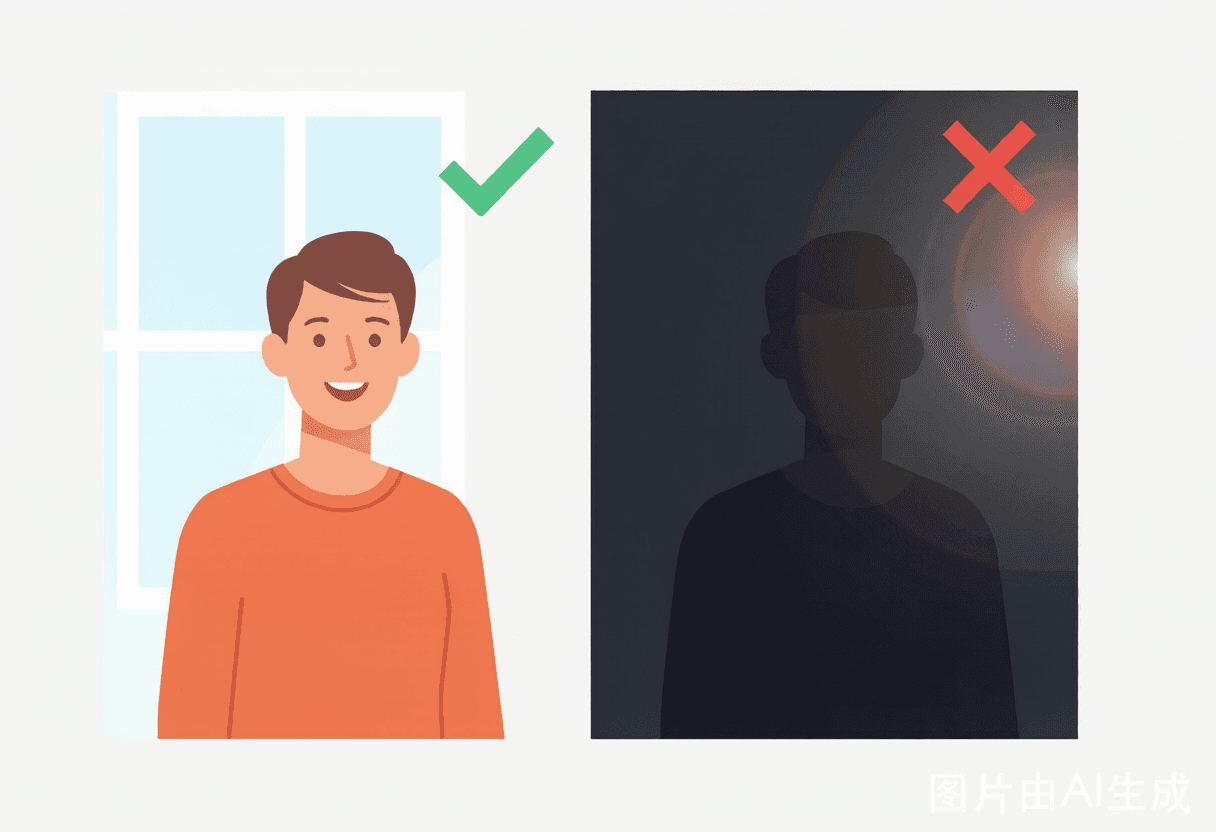
- Bad lighting. Backlit, dim, or harsh-flash photos look low-effort. Even, natural light reads as higher quality.
- Heavy filters. Filters that obviously alter your face create a trust gap. Viewers swipe right on the photo, then feel misled when they meet you.
- Outdated photos. A photo that no longer looks like you sets up a disappointing in-person meeting and quietly lowers your match rate over time.
- Cluttered backgrounds. A busy background pulls attention away from you. Cleaner backgrounds keep the focus where viewers look first.
Quality mistakes are the easiest to fix and the most common to ignore. If a photo is the best version of you but the lighting is bad, retake it in better light rather than shipping the weak version.
For a full breakdown of what each Tinder photo is doing to your match rate, see our Tinder photo analysis guide.
How to find which mistake is hurting you
The hardest part of fixing Tinder photo mistakes is not the fix — it is knowing which photo is the problem. A photo that looks fine to you can read as weak to a viewer, and a photo you think is your best can be actively hurting you in the lead position.
This is where a photo analysis helps. ProfileFixAI reads each photo across clarity, face visibility, expression, lighting, background, trust signals, and photo variety, then ranks them and flags which ones are weak enough to reduce matches just by sitting in the lineup. It tells you, in plain language, which photo should lead, which to remove, and how to reorder the rest — tied to specific photos, not generic advice.
Once you know which photo is the problem, the fix is usually a few minutes of work: delete the weak photo, promote a buried good one, add a full-body shot. That is the kind of change that quietly recovers the matches a single bad photo was costing you.
FAQ
What is the worst Tinder photo mistake?
A weak or ambiguous lead photo. Because Tinder shows your first photo full-size and most swipes are decided before photo two, a lead photo that hides your face, uses sunglasses, or is a group shot suppresses your entire match rate.
Do mirror selfies really hurt on Tinder?
Yes. The phone in the shot breaks framing and reads as dated and low-effort. One mirror selfie in the lineup is tolerable; as a lead photo it actively reduces matches.
Why am I getting fewer Tinder matches suddenly?
Often a single weak photo — usually a new lead photo or a buried good photo that got moved. Run a photo analysis to see which photo is dragging down the lineup and remove or replace it.
How many selfies is too many on Tinder?
More than one or two. A selfie-heavy lineup reads as low social proof and limited social context. Aim for a mix of solo, full-body, activity, and social photos.
Should I remove old photos from my Tinder profile?
Remove any photo that is blurry, outdated, or shows a noticeably different you. Outdated photos create a trust gap when you meet in person and quietly lower your match rate.
FAQ
What is the worst Tinder photo mistake?
A weak or ambiguous lead photo. Because Tinder shows your first photo full-size and most swipes are decided before photo two, a lead photo that hides your face, uses sunglasses, or is a group shot suppresses your entire match rate.
Do mirror selfies really hurt on Tinder?
Yes. The phone in the shot breaks framing and reads as dated and low-effort. One mirror selfie in the lineup is tolerable; as a lead photo it actively reduces matches.
Why am I getting fewer Tinder matches suddenly?
Often a single weak photo — usually a new lead photo or a buried good photo that got moved. Run a photo analysis to see which photo is dragging down the lineup and remove or replace it.
How many selfies is too many on Tinder?
More than one or two. A selfie-heavy lineup reads as low social proof and limited social context. Aim for a mix of solo, full-body, activity, and social photos.
Should I remove old photos from my Tinder profile?
Remove any photo that is blurry, outdated, or shows a noticeably different you. Outdated photos create a trust gap when you meet in person and quietly lower your match rate.
Want AI to choose your best photo?
Upload your photos and get a photo-by-photo ranking and fix list for free.
Analyze Your Photos Free